
October 2, 2026
Things to Do in Puerto Rico: The Complete Guide by a Local Captain
The best things to do in Puerto Rico region by region: San Juan, the rainforest, the bio bays, the small islands, the west coast and the mountains.
Puerto Rico is about 100 miles long and 35 miles wide, and it holds more variety than islands many times its size: a walled Spanish city, a rainforest, three bays that glow in the dark, surf towns, coffee mountains and a culture you can hear in the street. I was born here, I have worked in tourism for more than 13 years, and I still find new corners. This guide covers the best things to do in Puerto Rico, organized by region so you can plan real days and not just a list.
San Juan and the metro area
Most trips start here, and you could spend a week without leaving.
- Old San Juan: blue cobblestone streets, pastel houses and two great forts, El Morro and San Cristóbal.
- The beaches: Isla Verde for calm water, Condado for city life, El Escambrón for a protected cove.
- Santurce: murals, museums, and La Placita for dinner and salsa at night.
- Piñones: wood fire kiosks and the largest mangrove forest on the island, 10 minutes from the airport hotels.
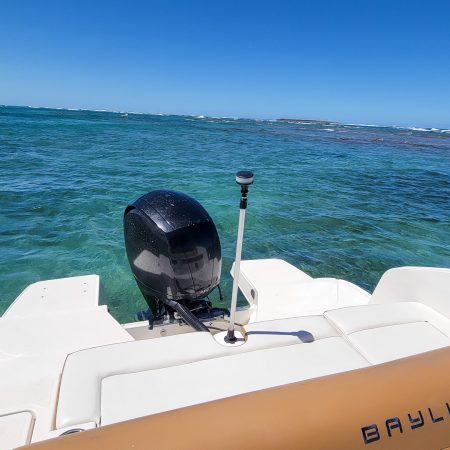
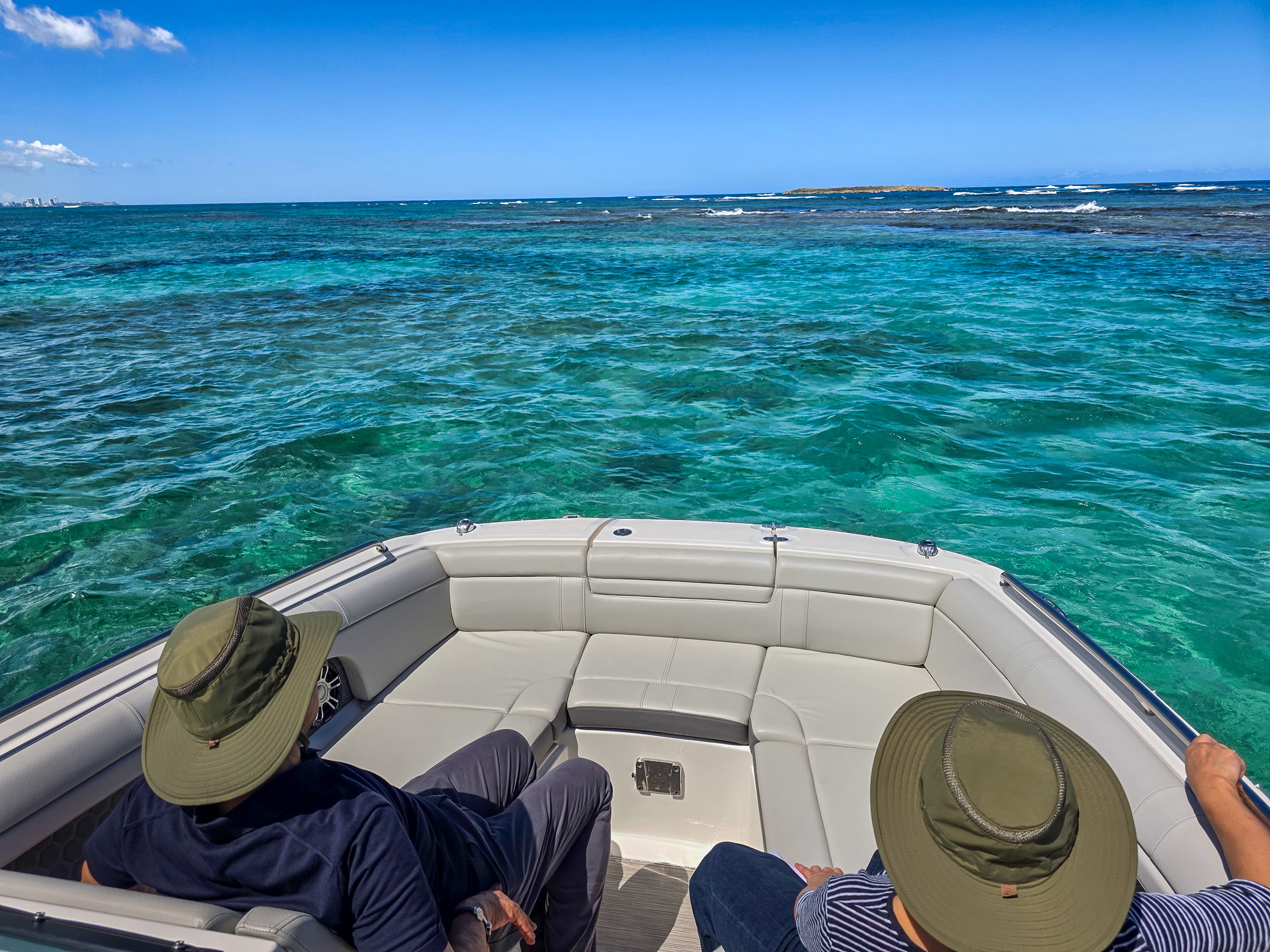
- The water: the coast, the reef and the mangrove channels seen from a small boat.
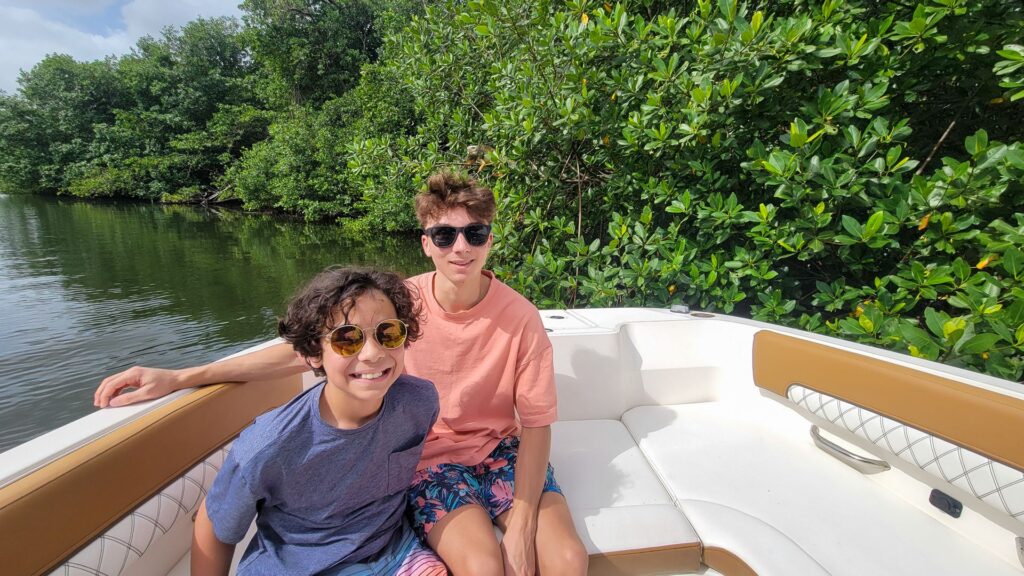
That last one is my part. We take no more than 6 guests on a calm, dry, shaded ride from Cangrejos Yacht Club, and I tell the history of the coast as we go. The Signature 90-minute tour is $100 per person, and a private boat for up to 6 starts at $450 for two hours.
Go deeper: things to do in San Juan, Isla Verde and Carolina, and Piñones and Loíza.
The east: rainforest, beaches and a glowing bay
- El Yunque: the only tropical rainforest in the U.S. National Forest System, with waterfalls, river pools and lookout towers. About an hour from San Juan. Check the Forest Service website for access rules.
- Luquillo: a calm, reef protected beach with a long row of food kiosks. The natural stop after El Yunque.
- Fajardo: the Laguna Grande bioluminescent bay, visited by kayak at night, and the starting point for boat trips to the small cays of Icacos and Palomino.
Vieques and Culebra
Two small islands off the east coast, reached by ferry from Ceiba or by a short flight.
- Culebra: Flamenco Beach, a wide horseshoe of white sand that is regularly ranked among the best beaches in the world.
- Vieques: Mosquito Bay, recognized as the brightest bioluminescent bay in the world, plus quiet beaches and free roaming horses.
Each can be a long day trip, but they are better with a night or two.
The north coast
- Cueva del Indio, Arecibo: sea arches and Taíno petroglyphs on the cliffs.
- Cueva Ventana: a cave that opens like a window over a river valley.
- Río Camuy caves: one of the largest underground river systems in the world. Confirm it is open before you drive out.
- Dorado: resorts, golf and calm beach coves.
The west: surf and sunsets
- Rincón: the surf capital of the Caribbean in winter, and the best sunsets on the island all year.
- Aguadilla: Crash Boat Beach, with its colorful fishing boats and clear water.
- Cabo Rojo: a lighthouse on limestone cliffs, pink salt flats and long, quiet beaches.
- La Parguera: a fishing village in Lajas with mangrove cays and the third bioluminescent bay.
The south
- Ponce: the second city, with a historic center and the red and black Parque de Bombas firehouse.
- Guánica: a rare dry forest by the sea, and the mangrove cay known as Gilligan’s Island.
The mountains
- Guavate, Cayey: the pork highway, where open air restaurants roast whole pigs and there is live music on weekends.
- Coffee haciendas: tours and tastings in the central towns.
- Toro Verde, Orocovis: some of the longest ziplines in the world.
For more places like these, see unique things to do in Puerto Rico.
Culture you should not miss
Puerto Rico is the meeting of three roots: Taíno, African and Spanish. You taste it in the food: mofongo, lechón, rice with pigeon peas, fritters. You hear it in the music: bomba and plena from the coast, salsa in the city. And you see it in the festivals: the San Sebastián Street Festival in January, the Fiestas de Santiago Apóstol in Loíza in July, and a Christmas season that runs from late November into mid January. If your dates match one of them, go.
A 7 day plan
- Day 1: arrive, beach, dinner in Old San Juan.
- Day 2: Old San Juan and the forts. Evening at La Placita.
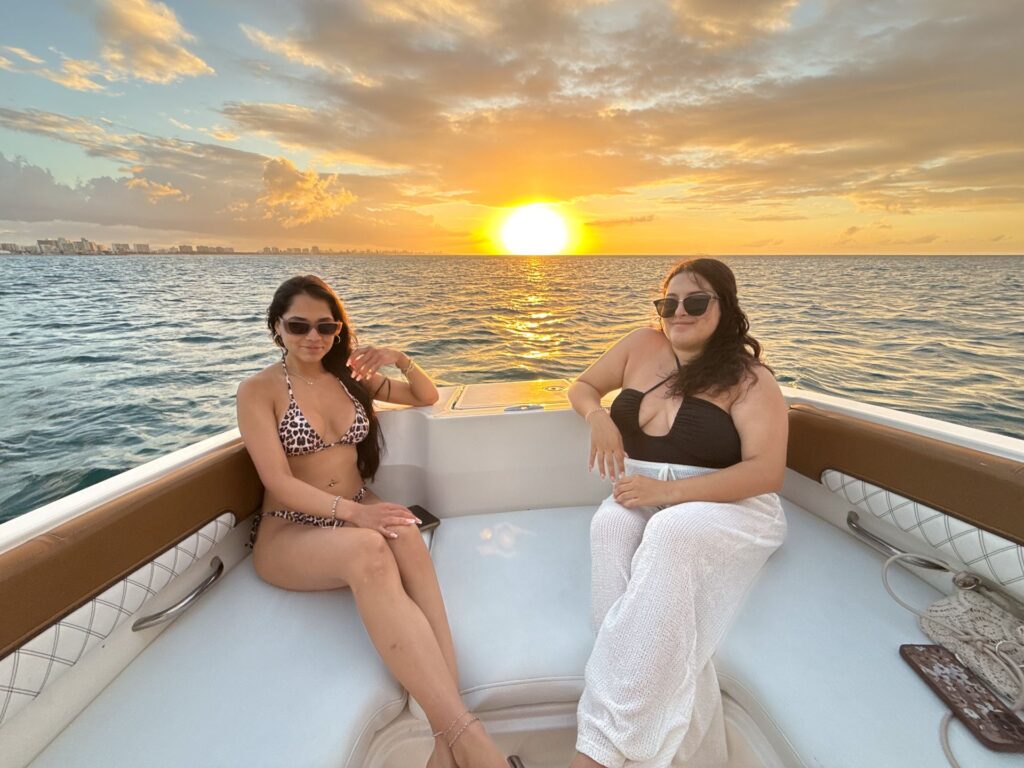
- Day 3: morning boat tour, lunch in Piñones, sunset on the water or on the lawn of El Morro.
- Day 4: El Yunque and Luquillo, bioluminescent bay in Fajardo at night.
- Day 5: Culebra or Vieques.
- Day 6: drive west through Arecibo to Rincón for sunset.
- Day 7: Cabo Rojo, then back to San Juan through the mountains with lunch in Guavate.
With only 3 or 4 days, do days 1 to 4 and save the rest for your next visit. Traveling with children? See Puerto Rico with kids. Coming on a ship? See what to do from the San Juan cruise port. Celebrating? See my honeymoon guide.
Frequently asked questions
What is the number one attraction in Puerto Rico?
Old San Juan with its forts, followed by El Yunque rainforest.
Do you need a passport to go to Puerto Rico?
Not if you are a U.S. citizen traveling from the mainland. Puerto Rico is a U.S. territory and flights are domestic.
How many days do you need in Puerto Rico?
Four days for San Juan and the east. A week to add the small islands and the west coast.
Do I need to rent a car?
Not for San Juan. For El Yunque, the west and the mountains, yes, or book tours with transportation.
When is the best time to go?
December to April for the driest weather, May, June and November for fewer crowds. Details in the best time to visit Puerto Rico.
Is Puerto Rico safe?
The areas visitors go to are welcoming and used to travelers. Use normal city common sense: do not leave valuables in the car or on the beach, and respect the ocean, since some beaches have strong currents.
Welcome to my island
However many days you have, leave room for the unplanned: a roadside kiosk, a conversation, a sunset you did not schedule. And if you want to see where I work, come find me at the dock.